
How to Extract a ZIP in Your Browser (And What Zip Slip Is)
Extracting in the browser means nothing is uploaded. It also means some honest limits — memory, folder structure, encryption — and those are worth stating before you need them.
Choose a .zip. You get a file listing and each file as a separate download.
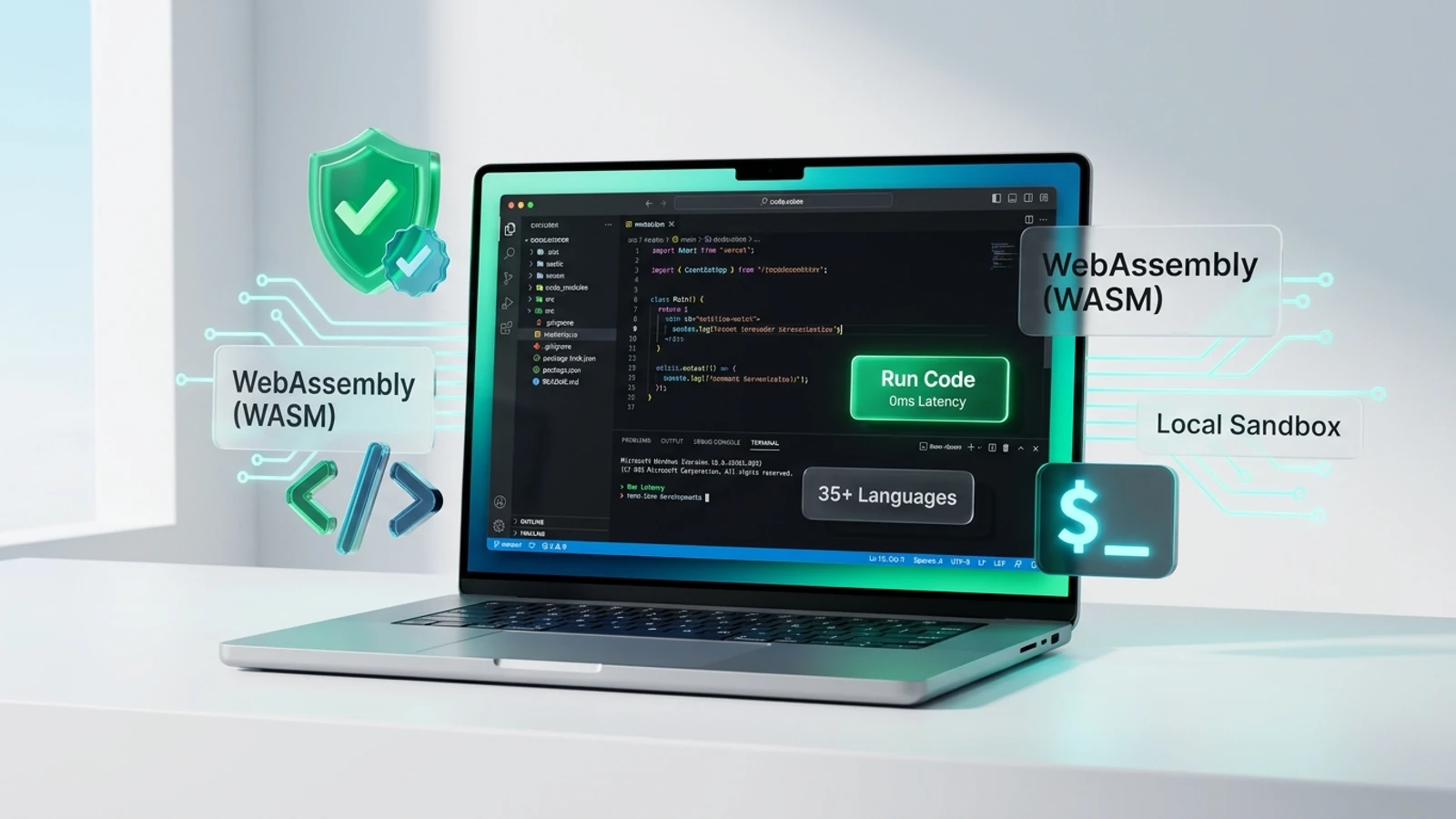
Workflow Lifecycle & Pipeline
Visual execution flow showing how ZIP Extractor processes data directly in your local browser sandbox.
ZIP Extractor Interactive Process Pipeline
Fast, zero-latency execution directly in your browser memory.
Before You Start
Ensure your source assets and browser environment meet the verified execution requirements.
Step-by-Step Instructions
Follow these verified steps to execute the task with ZIP Extractor.
Add your ZIP code
Open ZIP Extractor and drop your code onto the page, or pick it from the file dialog. It reads ZIP.
snippet.zipSet only extract names containing
Only extract names containing takes text. Leave it alone and ZIP Extractor leaves Only extract names containing blank.
Only extract names containing blankPress Extract
Extract starts the work in this tab. Nothing is uploaded, so how long it takes is down to your own device.
ExtractZIP Extractor runs on your deviceDownload the TXT
The result appears with a download button, as TXT. It was made on your device, so nothing has to be cleaned up afterwards.
Under the Hood: Sandboxed WASM Execution & Isolated Web Workers
Development tools and code sandboxes execute inside sandboxed Web Workers with isolated thread runtimes. Code scripts cannot access DOM scopes, cookies, or local network interfaces, providing high security and bare-metal performance.
Real-Time Stdin Stream
Interactive inputs pipe directly into std::cin, sys.stdin, and ReadLine buffers via simulated virtual teletypes.
Zero Egress Guarantee
Algorithm logic, API keys, and test queries remain confined to the client virtual machine.
Near-Native CPU Performance
Precompiled WebAssembly modules execute with near-native JIT performance on V8 and SpiderMonkey engines.
Settings & Options Explained
Fine-tune quality, format, and compression parameters for your exact workflow.
Settings & Configuration Guide
| Setting | Recommended Value | How It Works & Impact |
|---|---|---|
| Only extract names containing | Leave it blank unless you need it | Leave empty for everything. Takes text. Impact: Read as written, so stray spaces and characters count. |
Best Practices & Key Considerations
Avoid common quality pitfalls and maximize output performance.
Expert Recommendations
- Entry names are chosen by whoever made the archive, and nothing stops one being '../../file'. An extractor that writes names unchanged can be made to write anywhere — that is Zip Slip, and it has affected a long list of libraries.
- An encrypted archive is refused outright rather than half-extracted. Extracting the readable entries while implying you got everything is worse than declining.
- RAR and 7z are not supported, because no decoder for either ships with this site. 'Unsupported' is the honest answer.
- A ZIP compresses each file separately, so random access is cheap and redundancy between files is wasted. A thousand near-identical small files compress badly, each carrying about 100 bytes of header.
- Everything happens in memory, so a multi-gigabyte archive will fail here and needs a desktop tool. Folders are flattened because a browser download cannot create directories.
Common Mistakes to Avoid
- Giving it a format it does not read — ZIP are the ones it takes.
- Selecting several files at once; ZIP Extractor works on one per run.
- Waiting for an upload that never happens — ZIP Extractor runs in this tab, so the file stays on your device.
Troubleshooting & Fixes
Quick solutions for common browser constraints, format issues, and edge cases.
Troubleshooting & Common Issues
The file is rejected before anything runs
Possible Cause: ZIP Extractor reads ZIP and nothing else.
Only one of several files comes back
Possible Cause: ZIP Extractor handles one file per run.
Frequently Asked Questions
Everything you need to know about formats, privacy, and browser support.
Related Step-by-Step Guides
Explore companion workflows, optimization techniques, and verified tutorials.